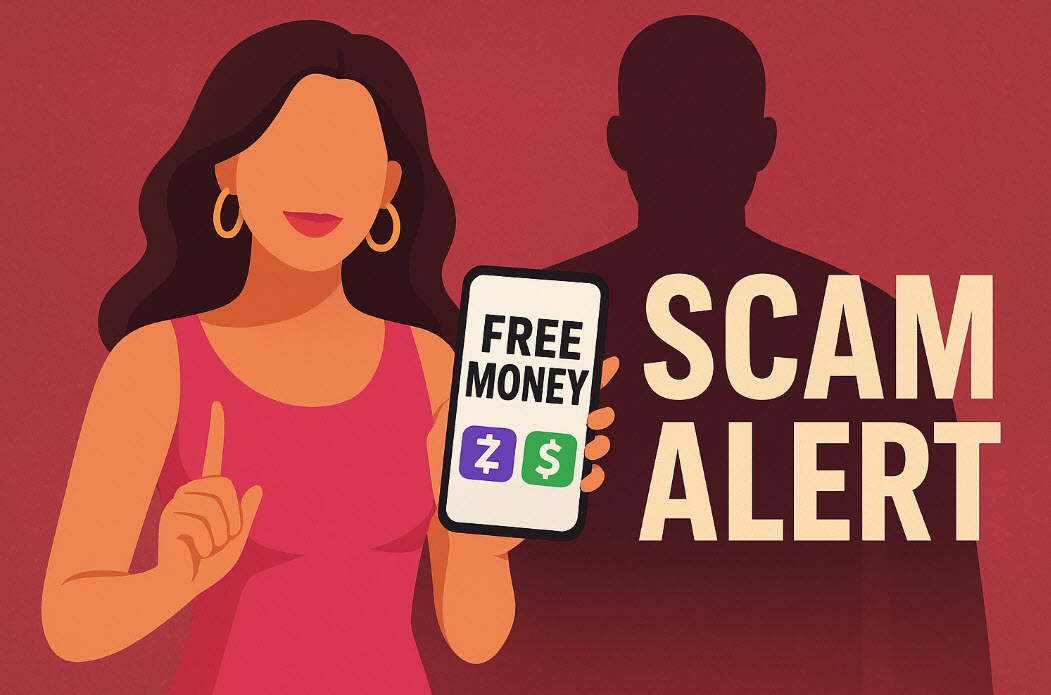
A new trend has emerged on social media platforms like TikTok, where influencers are promoting misleading claims about receiving “free money” from payment platforms such as Zelle and Cash App. These influencers are suggesting that filing complaints with the Consumer Financial Protection Bureau (CFPB) will lead to automatic payouts from these companies, even for individuals who were not victims of scams.
These influencers are profiting from the situation by selling complaint templates and credit repair guides to consumers. According to Consumer Reports, complaints against Zelle and Cash App have surged in 2025, with more than 61,000 complaints filed in the first eight months of the year—an increase of nearly 15 times compared to previous years. Inquiries from Consumer Reports revealed that many of these complaints were linked to content and products promoted by these influencers. For more details, read the full Consumer Reports article here.
Impact on the CFPB Complaint Database
The increasing number of complaints has raised concerns about the way the CFPB’s Consumer Complaint Database is being used. The database is intended to help regulators identify patterns of business misconduct and assist consumers in resolving legitimate issues. However, this recent surge of complaints—many of which are driven by influencers selling products—distorts the data and may undermine the database’s effectiveness.
The absence of a verification process for complaints submitted to the CFPB means that form letter complaints and those generated by influencers are being included without verification. This could lead to inaccurate data that doesn’t accurately represent consumer experiences or business practices.
The Need for Reform
The current structure of the CFPB complaint database has been criticized by industry experts, who have pointed out that it allows unverified complaints to enter the public record, which could mislead both consumers and businesses. As other federal agencies maintain non-public complaint databases, there is a call for the CFPB to adopt similar methods to improve the accuracy and reliability of its system.
Reforms, including a proper verification process for complaints, would help ensure that the database serves its intended purpose—supporting consumers in resolving real issues while maintaining an accurate reflection of industry practices.
For more information on this issue, you can read the full article from Consumer Reports here.

Author: Jennifer Evancic
Jennifer.Evancic@ResourceManagement.com
Jennifer Evancic is a third-party auditor valued by creditors and large organizations for her knowledge in call monitoring within the collections industry. With meticulous attention to detail and a firm grasp of regulatory requirements, she ensures compliance with clients’ criteria and state and federal regulations.
Jennifer audits collections calls, ensuring they meet client-specific criteria and comply with regulations, providing valuable insights and maintaining industry standards.
Beyond her auditing responsibilities, Jennifer takes the lead in organizing and facilitating monthly call calibrations. These sessions serve as a collaborative forum where clients and their vendors come together to discuss call monitoring results and address any findings or areas for improvement. Jennifer’s guidance fosters open communication and ensures alignment between clients and vendors, driving continuous improvement in collections practices.
Jennifer stays up-to-date with compliance and industry best practices by participating regularly in peer meetings, regulatory updates and industry webinars. This keeps her informed about emerging issues and ensures she remains a knowledgeable leader in collections compliance.